Reference Books on Film Camera History
A curated selection of reference books on film cameras, photographic technology, and imaging history — from technical manuals to encyclopedias and scholarly handbooks.
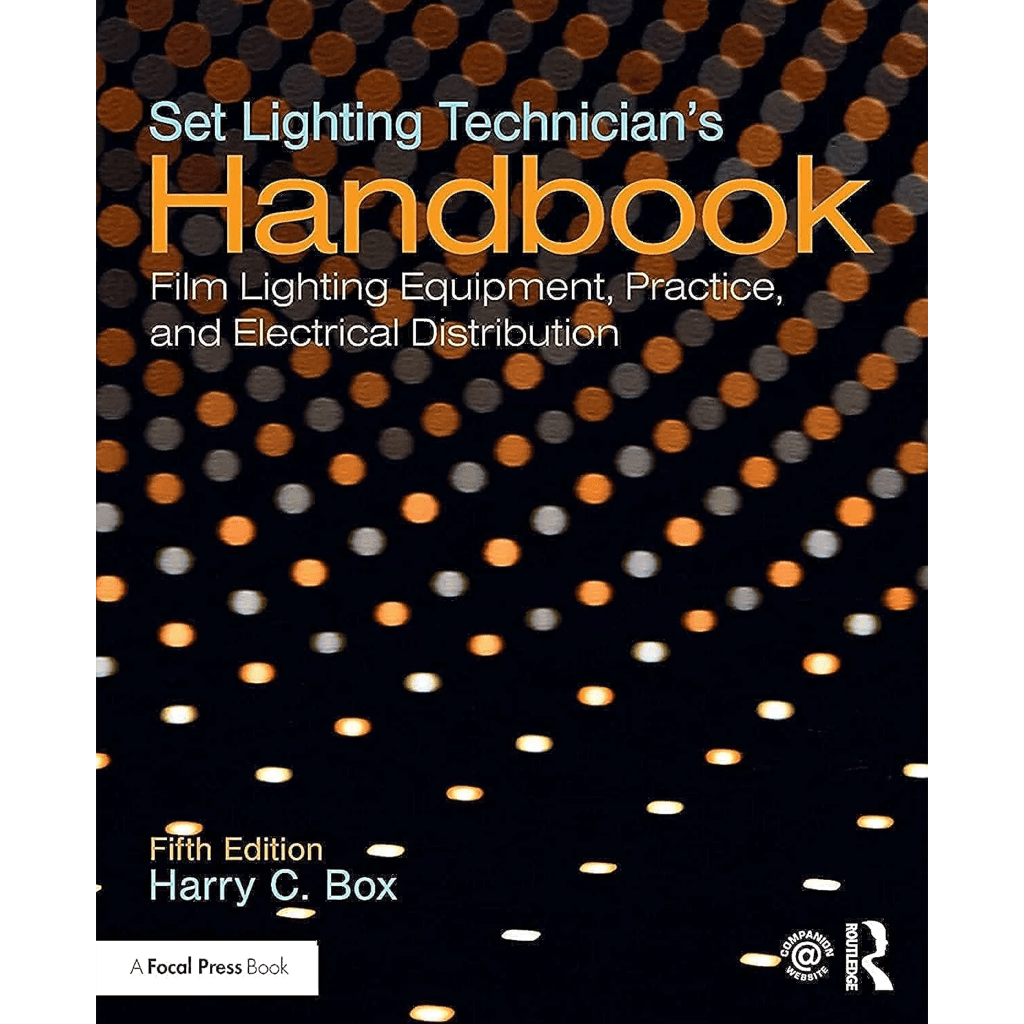
Set Lighting Technician’s Handbook
Box, H. C. (2019). Set lighting technician’s handbook (5th ed.). Routledge.
Annotation
Harry C. Box’s Set Lighting Technician’s Handbook is a practical guide to professional lighting techniques used in film and television production. The book explains lighting equipment, electrical systems, safety procedures, and modern production workflows while also discussing how lighting technology has changed alongside advances in cameras and film stocks. Although its primary focus is lighting rather than camera history, it helps readers understand how improvements in camera sensitivity and digital imaging have influenced lighting practices throughout the history of filmmaking. This makes it a valuable supplemental resource for students researching filmmaking technology.
Harry C. Box is an experienced lighting technician with decades of professional experience in film and television production. The fifth edition reflects current industry practices while incorporating historical background on lighting equipment and techniques. The book is organized into logical chapters with diagrams, illustrations, references, appendices, and an extensive index, making it easy to navigate. As an instructional handbook, it emphasizes practical application while providing reliable technical information. The intended audience includes film students, lighting technicians, cinematographers, and production professionals.
Search Process
I found this resource through the Rebecca Crown library catalog using the keywords film lighting, lighting handbook, and cinematography equipment.
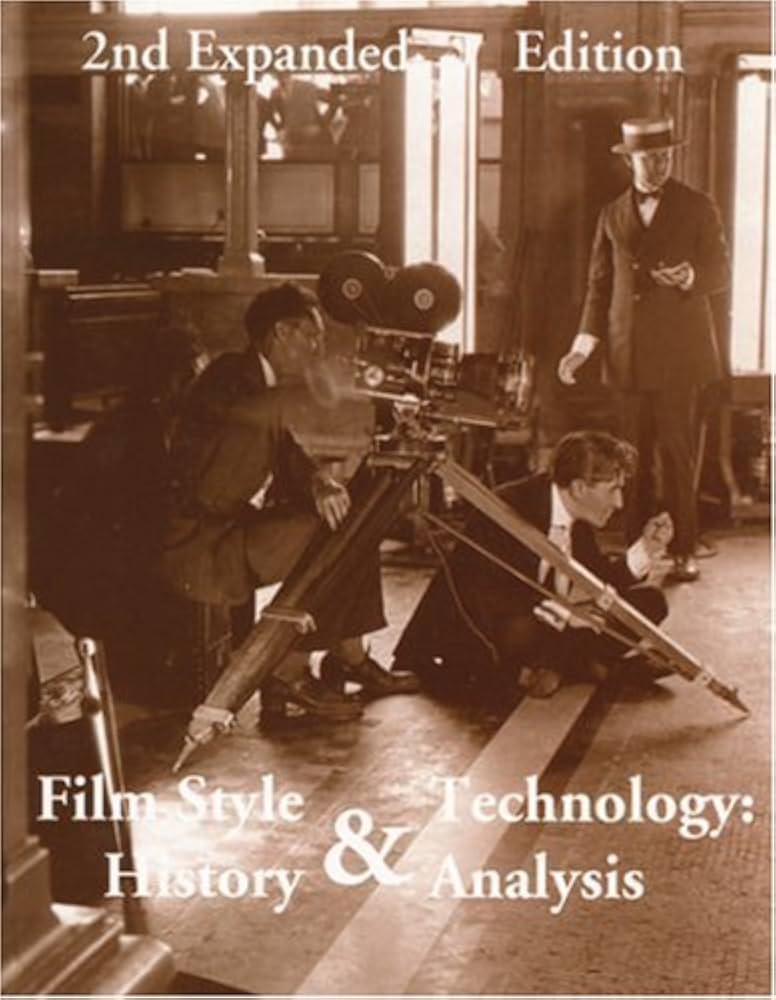
Film Style and Technology: History and Analysis
Salt, B. (2003). Film Style and Technology: History and Analysis (2nd rev. ed.). Starword.
Annotation
Barry Salt’s Film Style and Technology examines the relationship between advances in filmmaking technology and the artistic evolution of cinema. Rather than simply presenting a chronological history, Salt analyzes how innovations in cameras, film stock, editing, and cinematography influenced filmmaking styles across different periods. This source is especially valuable for understanding how technological developments shaped the language of cinema. Students researching the evolution of cameras and film formats would find this book particularly useful because it connects technical innovation with film history.
Barry Salt was one of the first scholars to use quantitative analysis to study film history, making him a respected authority in the field. The book is organized chronologically and includes references, illustrations, and an index for easy navigation. Although published in 2003, it remains an important scholarly resource for historical research because it covers developments from the origins of cinema through the transition toward digital filmmaking. The intended audience includes undergraduate and graduate students, film historians, and researchers.
Search Process
I located this book through my library catalog using the “All I-Share Libraries” filter and the search terms film technology history and history of cinematography.
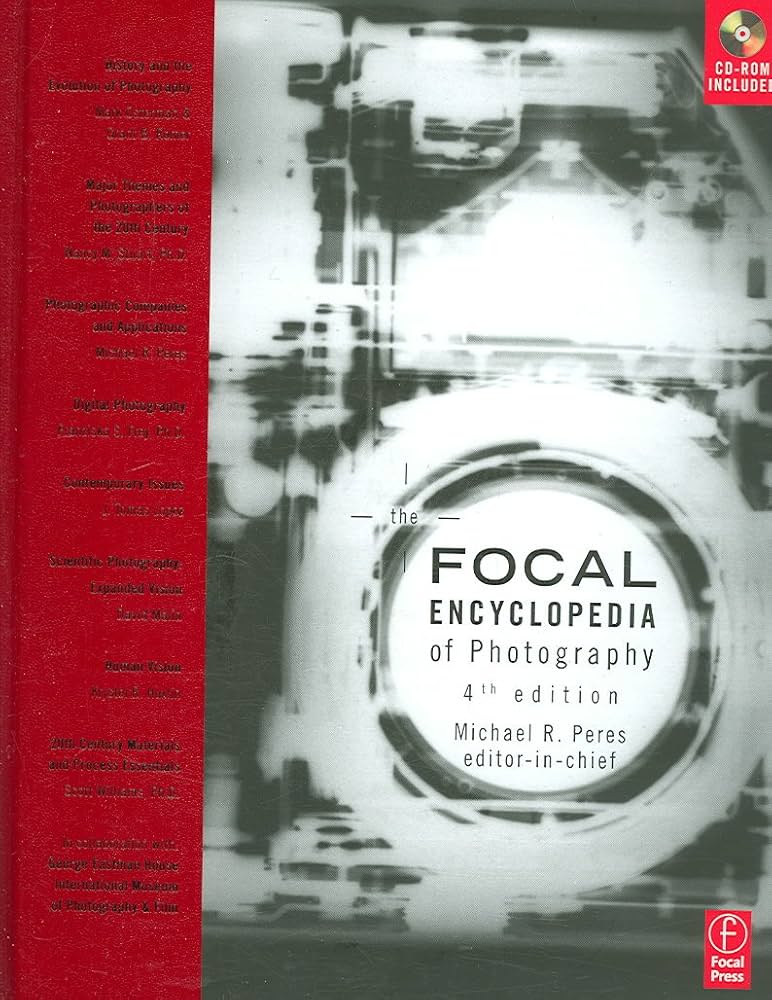
Focal Encyclopedia of Photography
Peres, M. R. (Ed.). (2007). Focal Encyclopedia of Photography (4th ed.). Routledge.
Annotation
The Focal Encyclopedia of Photography is a comprehensive reference work covering the history, science, technology, and practice of photography. Its entries explain camera systems, lenses, photographic processes, film stocks, digital imaging, and influential inventors, making it an excellent resource for understanding the technological foundations that influenced both photography and motion pictures. Students researching the evolution of film and cameras can use this encyclopedia to quickly find reliable background information before consulting more specialized sources.
Edited by photography scholar Michael R. Peres and written by numerous experts, the encyclopedia is considered an authoritative reference source. Entries are arranged alphabetically and include illustrations, cross-references, and bibliographies for additional research. The fifth edition contains updated coverage of digital photography while preserving extensive historical information. The intended audience includes students, educators, librarians, photographers, and researchers.
Search Process
I located this reference book through the Rebecca Crown library catalog using the keywords photography encyclopedia and camera history.
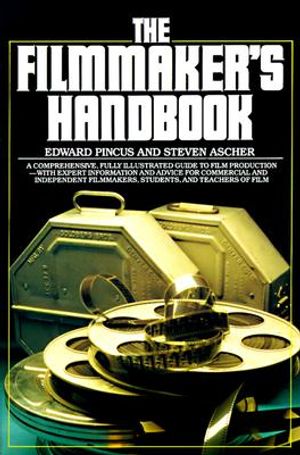
The Filmmaker’s Handbook
Pincus, E., & Ascher, S. (1984). The filmmaker’s handbook. New American Library.
Annotation
Steven Ascher and Edward Pincus’s The Filmmaker’s Handbook is a practical guide to every stage of film and video production, including camera operation, sound recording, lighting, editing, and post-production. The book also discusses the transition from analog filmmaking to digital production, making it useful for understanding the technological evolution of cameras and filmmaking practices. Students researching the history of filmmaking can use this resource to compare traditional film production methods with current digital workflows.
The authors are experienced filmmakers and educators whose work has long been used in university film programs. The fifth edition reflects current filmmaking technologies while explaining the historical development of production techniques. The book is organized into clearly divided chapters with photographs, diagrams, tables, references, and a detailed index that make information easy to locate. Although it is primarily an instructional handbook rather than a reference work, it serves as an excellent technical resource for beginning researchers and aspiring filmmakers. The intended audience includes film students, instructors, independent filmmakers, and media professionals.
Search Process
I located this book through my library catalog using the “All I-Share Libraries” filter and the keywords filmmaker handbook, film production, and camera operation.
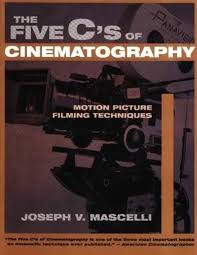
The Five C’s of Cinematography
Mascelli, J. V. (1998). The five C’s of cinematography: Motion picture filming techniques. Silman-James Press.
Annotation
Joseph V. Mascelli’s The Five C’s of Cinematography is considered a classic instructional guide to motion picture filmmaking. The book introduces the five core principles of cinematography—camera angles, continuity, cutting, close-ups, and composition—and explains how these techniques contribute to visual storytelling. Although originally written during the era of film cameras, its principles remain relevant in modern digital filmmaking. This resource helps students understand how technological advances in cameras have supported, rather than replaced, the fundamental techniques of cinematography.
Joseph V. Mascelli was an experienced Hollywood cinematographer whose professional work gives the book lasting credibility. The book is organized into clearly illustrated chapters with diagrams, photographs, and an index for easy navigation. It functions as an instructional handbook rather than a reference encyclopedia and contains numerous visual examples that reinforce technical concepts. The intended audience includes film students, aspiring cinematographers, educators, and filmmakers interested in traditional filmmaking techniques.
Search Process
I located this book through my library catalog using the “All I-Share Libraries” filter and the keywords cinematography techniques, film camera, and motion picture filmmaking.
Visit us
7900 W. Division Street, River Forest, IL 60305
Hours
Monday–Friday, responded daily
Phone
847-363-3543
 History of Film Cameras